

The enduring legacy and modern reality of steelwork
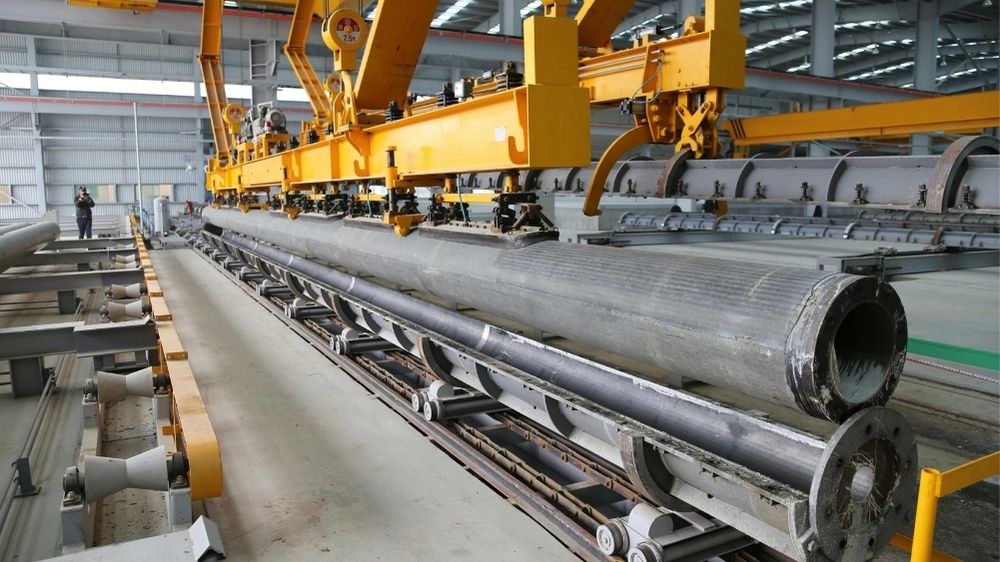
When you look at the skyline of any major Scottish city, from the historic streets of Edinburgh to the industrial heart of Glasgow, you are seeing the result of centuries of engineering evolution. While stone and timber have their place in our architectural history, it is steel that has allowed us to push the boundaries of what is possible in modern construction. Today, the demand for high-quality structural steel fabrication Scotland is higher than ever, as developers and architects seek materials that offer both incredible strength and the flexibility to realise complex designs. This isn’t just about heavy lifting; it is about a sophisticated blend of traditional craftsmanship and cutting-edge technology that ensures our buildings can withstand the unique challenges of the northern climate.
The transition from the heavy industrial era to the digital age has transformed how we think about metalwork. It is no longer just about the sheer volume of iron being forged; it is about the precision of every cut and the integrity of every weld. In a landscape where building regulations are increasingly stringent and environmental concerns are at the forefront of every project, the role of a specialised fabricator has become central to the success of any construction venture. When it comes to sourcing high-quality materials and expert craftsmanship, structural steel fabrication Scotland provides the necessary foundation for both commercial and industrial developments, ensuring that every structure is built to last for generations.
Why local expertise makes a difference in fabrication
There is a common misconception that steel is a commodity that can be sourced from anywhere with little regard for the specificities of the site. However, those who have managed projects in the UK know that local knowledge is invaluable. The Scottish climate, with its high winds, heavy rainfall, and coastal salt spray, requires a specific approach to material selection and finishing. A local fabricator understands these environmental stressors and can recommend the appropriate coatings and treatments, such as galvanisation or specialised paint systems, to prevent corrosion and ensure structural longevity.
Furthermore, the logistics of transporting massive steel beams across the varied terrain of the Highlands or through the tight urban centres of the Lowlands require careful planning. By working with a partner familiar with the local infrastructure, project managers can avoid the delays and complications that often arise when dealing with long-distance suppliers. This proximity also allows for better communication and the ability to make real-time adjustments if site conditions change unexpectedly. The ability to visit a workshop and see the progress of your components provides a level of transparency and quality assurance that is hard to replicate from a distance.
The technical side of precision engineering
Modern fabrication is a far cry from the manual labour of the past. Today, the process is heavily reliant on Building Information Modelling (BIM) and Computer-Aided Design (CAD). These tools allow fabricators to create a digital twin of the structure before a single piece of steel is cut. This level of detail ensures that every bolt hole aligns perfectly and every beam is the exact length required. The benefits of this precision include:
- Reduced waste on-site, as components arrive ready for immediate assembly.
- Faster construction timelines due to the “Lego-like” nature of pre-fabricated steel.
- Enhanced safety, as less cutting and welding are required in the often unpredictable outdoor environment of a building site.
- Greater architectural freedom, allowing for curved beams and complex geometries that would be impossible with other materials.
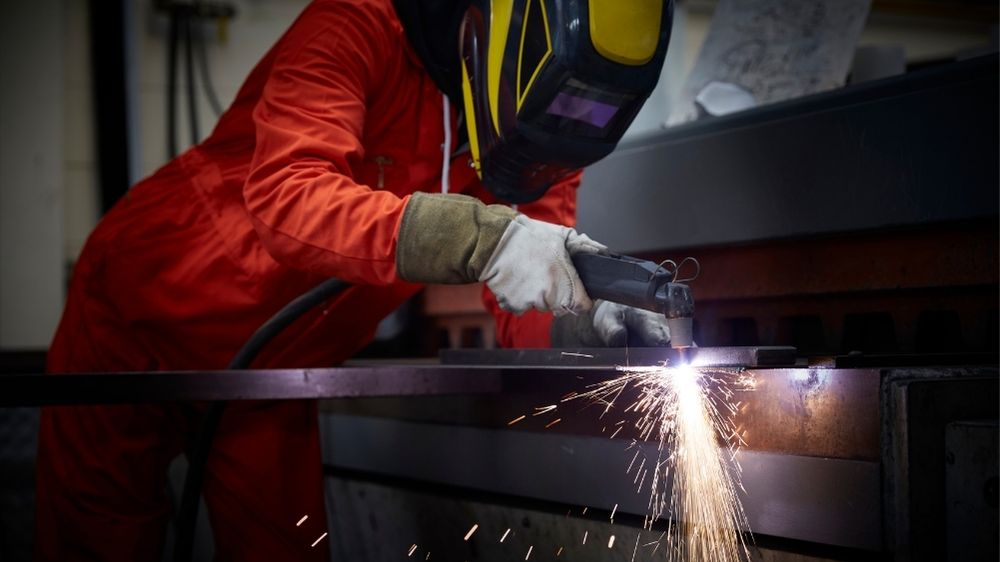
Once the digital designs are finalised, they are fed into CNC (Computer Numerical Control) machinery. These machines can cut, drill, and notch steel with sub-millimetre accuracy. This automation doesn’t replace the skill of the fabricator; rather, it allows the craftsmen to focus on the complex assembly and high-quality welding that machines cannot yet replicate. The result is a product that meets the highest tolerances and provides a perfectly level and plumb frame for the rest of the building’s components.
The journey from raw material to finished structure
Understanding what happens inside a fabrication facility can help project owners appreciate the value of the service. It is a multi-stage process that requires rigorous quality control at every turn. It begins with the procurement of raw steel sections, which must be certified to meet specific British and European standards. Without the correct certification, the structural integrity of the entire building could be at risk.
The typical workflow in a fabrication shop includes several key phases:
- Surface Preparation: Steel sections are often shot-blasted to remove mill scale and rust, creating a clean surface for welding and coating.
- Cutting and Drilling: Using the CNC data, the steel is cut to size and all necessary holes are drilled for bolted connections.
- Assembly and Welding: Skilled welders join smaller components to the main beams, such as cleats, base plates, and stiffeners, following detailed fabrication drawings.
- Inspection: Non-destructive testing (NDT), such as ultrasonic or magnetic particle inspection, is often used to ensure the integrity of the welds.
- Finishing: The steel is treated with the chosen protective system, whether that is a simple primer or a complex multi-coat intumescent paint for fire protection.
Each of these steps is vital. A mistake in the drilling phase could lead to hours of remedial work on-site, while a failure in the finishing phase could lead to premature rusting and maintenance issues years down the line. This is why choosing a fabricator with a proven track record and robust internal quality management systems is so important.
Safety standards and the importance of compliance
In the world of construction, safety is paramount. Structural steelwork is the skeleton of a building; if it fails, the results are catastrophic. This is why the industry is governed by strict regulations, such as the UKCA (formerly CE) marking requirements. Any company providing structural steel fabrication Scotland must be able to demonstrate that their products meet the BS EN 1090 standard. This involves regular audits of their factory production control systems and the qualification of their welding procedures and personnel.
Compliance isn’t just about ticking boxes; it is about ensuring that every piece of steel leaving the workshop is fit for purpose. This includes traceability, where every beam can be traced back to the original mill heat from which it was produced. In the event of a material failure, this traceability allows investigators to identify other potentially affected batches. For a client, working with a compliant fabricator provides peace of mind that the building is safe and that all legal obligations have been met. It also simplifies the process of obtaining insurance and building warrants, as the documentation provided by a certified fabricator is universally recognised by authorities.
Sustainability in the steel industry
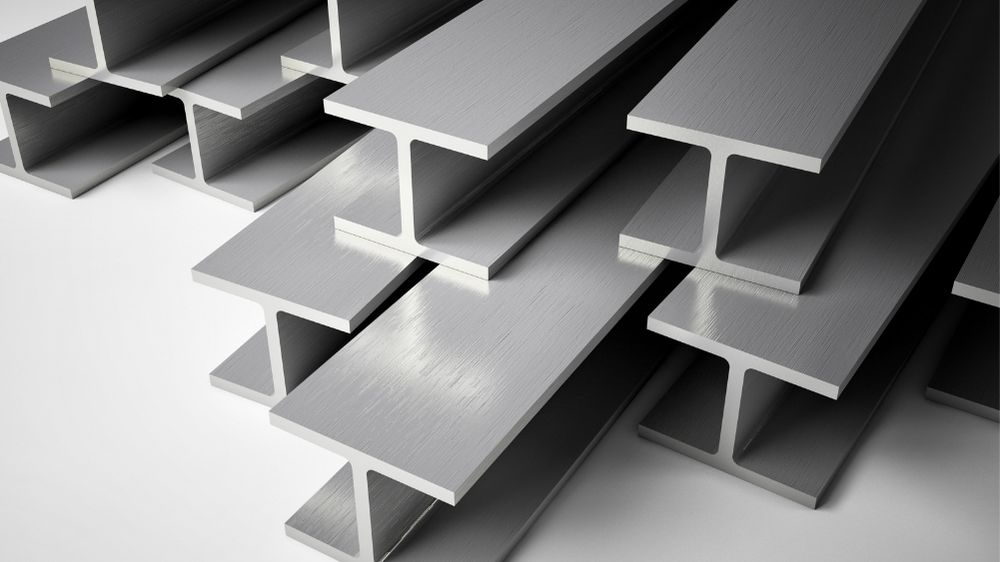
As we move towards a more circular economy, the environmental impact of construction materials is under intense scrutiny. Steel is one of the most sustainable materials available because it is 100% recyclable. Unlike many other building materials, steel can be melted down and repurposed an infinite number of times without any loss of quality. In fact, a significant portion of the steel used in fabrication today is made from recycled scrap.
Beyond recyclability, the efficiency of the fabrication process contributes to its green credentials. Because steel components are manufactured in a controlled factory environment, waste is minimised. Any offcuts are collected and sent back for recycling. Additionally, the speed of steel construction reduces the time spent on-site, which in turn lowers the carbon footprint associated with site machinery, transport, and temporary power. The lightweight nature of steel frames compared to concrete also means that foundations can be smaller, requiring less excavation and less carbon-intensive concrete. This holistic approach to efficiency makes steel an attractive option for developers looking to meet modern sustainability targets while maintaining high standards of structural performance.
The versatility of steel also allows for future-proofing. Buildings designed with steel frames are often easier to renovate or extend than those built with load-bearing masonry. Beams can be reinforced, and entire sections can be bolted on or removed with relatively little disruption to the core structure. This adaptability extends the lifespan of a building, ensuring that it can evolve to meet the changing needs of its occupants rather than being demolished and replaced. In an era where the most sustainable building is the one that already exists, the flexibility of steel is a significant advantage.

Erin is a travel writer and adventure enthusiast who specializes in off-the-beaten-path destinations, cultural experiences, and island-hopping in the Philippines.